Table of Contents
With energy prices continuing to rise and climate change concerns intensifying, 2025 stands out as an excellent year for homeowners to invest in solar energy. Advances in technology, coupled with updated federal and state incentives, make solar installation more affordable and financially attractive than ever before. These incentives have the potential to reduce your out-of-pocket costs by thousands of dollars, making the switch to clean energy both economically and environmentally beneficial.
Whether you are exploring solar options for the first time or ready to move forward with installation, this comprehensive guide will walk you through the key solar incentives and tax credits available in 2025, helping you maximize savings and make an informed decision.
Why 2025 Is a Great Year to Go Solar

The passage of the Inflation Reduction Act (IRA) of 2022 significantly reshaped the landscape for residential solar energy by extending and enhancing the federal solar tax credit through 2032. This legislation provides unprecedented financial incentives, but 2025 is particularly favorable due to several converging factors:
- Full 30% Federal Tax Credit: The Residential Clean Energy Credit remains at 30%, allowing homeowners to claim a substantial percentage of system costs on their federal taxes.
- Expansion of State-Level Incentives: Many states have introduced or expanded rebates, grants, and performance-based incentives that stack with federal benefits.
- Declining Equipment Costs: Solar panel and battery prices have steadily decreased over recent years, making system installation more affordable.
- Rising Electricity Rates: Increasing utility rates make solar a cost-effective alternative for long-term energy savings.
- Battery Storage Incentives: Incentives for energy storage systems are becoming more common, encouraging integration of batteries with solar installations.
These factors combined create a perfect storm of opportunity for homeowners considering solar energy in 2025.
1. 30% Federal Solar Investment Tax Credit (ITC)

The Residential Clean Energy Credit, commonly referred to as the Investment Tax Credit (ITC), allows homeowners to deduct 30% of the total cost of installing a solar energy system from their federal income tax liability. This credit covers a broad range of expenses related to solar installation, including:
- Solar photovoltaic (PV) panels
- Inverters
- Wiring, mounting hardware, and labor
- Permits, inspections, and interconnection fees
- Energy storage systems such as batteries
- Sales tax on eligible equipment in certain states
This tax credit is a dollar-for-dollar reduction in the amount of federal taxes owed, making it one of the most powerful incentives available to homeowners.
Example:
Suppose your solar system costs $20,000. With the 30% ITC, you can claim a tax credit of $6,000. This effectively lowers your net system cost to $14,000, significantly improving your return on investment.
📝 Eligibility Tip: To qualify, you must own the solar system (leasing arrangements are not eligible) and the system must be installed on a residence you own and occupy during the tax year in which you claim the credit.
Important Considerations: The ITC is a non-refundable credit, meaning it can reduce your tax liability to zero, but excess credits may be carried forward to future tax years. Also, the credit applies only to new installations and does not cover maintenance or repairs.
2. Solar Battery Incentives in 2025

One of the most exciting updates under the IRA is the expanded eligibility of the ITC to include battery energy storage systems. Batteries installed alongside or separately from solar panels now qualify for the 30% tax credit, provided they meet certain criteria.
- Standalone Battery Installations: Homeowners can install battery storage systems even without solar panels and still claim the ITC.
- Deferred Installations: Batteries can be added after the initial solar installation and remain eligible for the credit.
- Grid Resilience and Backup Power: Batteries provide backup power during outages and help manage electricity use during peak demand times.
Battery storage is becoming increasingly valuable as utility companies implement time-of-use (TOU) rates, charging more during peak hours. Batteries allow homeowners to store solar energy generated during the day and use it when electricity prices are highest, maximizing savings.
⚡ Battery costs are dropping: The average price of residential battery systems has decreased by over 50% in the last five years, making storage more accessible. Additionally, some utilities offer separate rebates for battery installations.
Choosing the Right Battery: Popular options include lithium-ion batteries such as the Tesla Powerwall, LG Chem RESU, and Sonnen systems. Factors to consider include capacity, warranty, compatibility with your solar system, and backup power capabilities.
3. State and Local Solar Incentives
While the federal ITC provides substantial savings, many states and local governments offer additional incentives that can further reduce the cost of solar installation. These incentives vary widely in availability and structure but typically fall into the following categories:
- Cash Rebates: Immediate discounts applied at purchase or installation.
- State Tax Credits: Similar to the federal ITC but applied at the state income tax level.
- Performance-Based Incentives (PBIs): Payments based on the actual energy your system produces.
- Grants and Low-Interest Loans: Financial assistance programs to lower upfront costs.
Notable state programs to watch in 2025 include:
- California’s Self-Generation Incentive Program (SGIP): Offers rebates specifically for battery storage systems, helping offset their cost significantly.
- New York’s NY-Sun Program: Provides cash incentives based on system size and location, alongside bonus incentives for low-to-moderate income households.
- Massachusetts SMART Program: A declining block incentive that pays monthly performance-based rates depending on the amount of solar energy generated.
- Illinois Shines: A renewable energy procurement program that awards payments based on kilowatt-hours produced.
✅ Pro Tip: Incentives change frequently. Always check with your state energy office, local utility, or a trusted solar broker for the most current program details and eligibility requirements.
Additional Examples: States like New Jersey, Colorado, and Maryland also offer tax credits ranging from 10% to 30% of system costs, along with utility rebates and net metering enhancements.
4. Net Metering and Time-of-Use (TOU) Credits
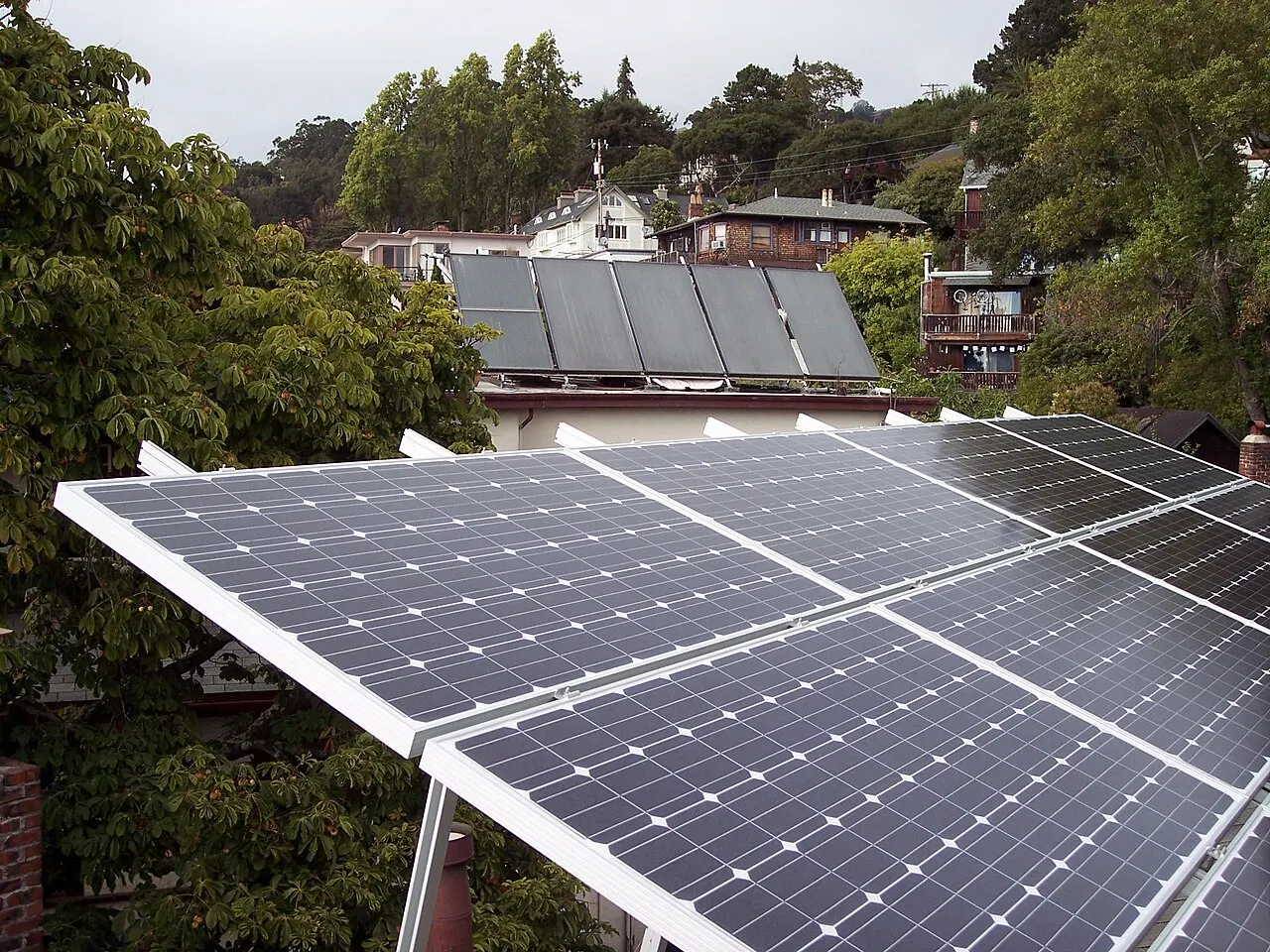
Net metering is a billing mechanism that credits solar energy system owners for the electricity they add to the grid. When your solar panels generate more electricity than your home consumes, the excess energy is sent to the utility grid and you receive credits on your utility bill.
In 2025, net metering policies vary by state and utility provider, and understanding your local rules is critical to maximizing your solar investment:
- Traditional 1-to-1 Credit: Some states still offer full retail rate compensation for excess electricity, effectively allowing you to "bank" energy credits.
- Time-of-Use (TOU) Rates: Utilities with TOU pricing reward solar production during peak demand hours with higher credit rates. This incentivizes generating and using energy when it’s most valuable.
- Solar Export Rates: A few utilities are transitioning to export rates, which pay less than retail rates for exported energy, potentially reducing net metering benefits.
🕒 Strategy Tip: In regions with TOU rates, pairing solar panels with battery storage can allow you to store energy during low-cost periods and use or sell it back during peak pricing, increasing overall savings.
Future Outlook: While net metering remains a vital incentive for many homeowners, ongoing regulatory changes may adjust compensation methods. Staying informed about your utility’s policies will help you optimize your system’s financial performance.
5. Property Tax Exemptions

Installing solar panels typically increases your home’s market value because of the future energy savings it provides. However, in many states, this added value does not translate into increased property taxes thanks to solar property tax exemptions.
These exemptions prevent the assessed value of your home from rising due to the solar installation, protecting you from higher property tax bills. States with prominent property tax exemptions include:
- Florida
- Texas
- Arizona
- Colorado
- New Jersey
Some local governments also offer additional exemptions or abatements for renewable energy installations.
🏠 Homeowner Advantage: Property tax exemptions are especially valuable if you plan to sell your home within the next 5 to 10 years, as they help maintain affordability while boosting resale value.
Note: Property tax rules can vary widely by county and municipality, so verify local policies before installation.
6. Rebates from Utilities and Solar Programs

Many utility companies offer additional rebates or incentive programs to encourage solar adoption and energy efficiency. These incentives can take several forms:
- Upfront Cash Rebates: One-time payments that reduce initial installation costs.
- Performance Incentives: Payments based on the amount of solar energy your system generates.
- Energy Efficiency Discounts: Bundled offers that include solar alongside other energy-saving upgrades.
In 2025, cash rebates from utilities typically range from $300 to $2,500 or more, depending on your location, system size, and utility policies.
💡 Maximize Savings: Work with your solar broker or installer to identify and apply for all available utility rebates and combine them with federal and state incentives for the greatest financial benefit.
Example: Pacific Gas & Electric (PG&E) in California offers battery storage rebates through SGIP, while utilities like Xcel Energy in Colorado provide performance-based incentives to solar customers.
Financing Options to Complement Incentives
In addition to incentives, many homeowners consider financing options to make solar installation more accessible. Popular financing methods include:
- Solar Loans: Low-interest loans specifically designed for solar projects, often with terms ranging from 5 to 20 years.
- Solar Leases and Power Purchase Agreements (PPAs): Third-party ownership models where you pay monthly fees but do not own the system. Note these do not qualify for the ITC.
- Property Assessed Clean Energy (PACE) Financing: A local government program allowing homeowners to finance solar through property tax assessments.
Pairing financing with incentives can significantly lower upfront costs and improve cash flow, enabling more homeowners to benefit from solar energy.
Environmental and Economic Benefits of Going Solar
Beyond direct financial incentives, switching to solar offers long-term benefits:
- Reduced Carbon Footprint: Solar energy generates electricity without greenhouse gas emissions, helping combat climate change.
- Energy Independence: Solar reduces reliance on fossil fuels and utility companies subject to price volatility.
- Increased Home Value: Solar-equipped homes typically sell faster and at higher prices.
- Protection Against Rising Energy Costs: Solar systems lock in energy prices, shielding homeowners from future rate hikes.
- Job Creation: The solar industry supports a growing workforce and local economies.
How to Navigate Solar Incentives and Choose the Right System
Successfully leveraging solar incentives requires careful planning and research. Here are steps to guide you:
- Assess Your Home’s Solar Potential: Evaluate your roof’s orientation, shading, and structural condition.
- Understand Your Electricity Usage: Review past utility bills to estimate your energy needs and potential savings.
- Research State and Local Incentives: Use resources like the Database of State Incentives for Renewables & Efficiency (DSIRE) to find applicable programs.
- Get Multiple Quotes: Request proposals from several reputable installers or work with a solar broker to compare systems and pricing.
- Consider Battery Storage: Evaluate if adding a battery system will enhance your savings and energy resilience.
- Review Financing and Incentive Packages: Analyze total costs after incentives and financing to determine the best option.
Working with experienced solar brokers or certified installers can simplify this process and ensure that you maximize all available benefits.
Final Thoughts: 2025 Is the Year to Go Solar
Thanks to the extended 30% federal tax credit, a growing number of state and local incentives, and steadily declining equipment prices, 2025 presents a unique opportunity for homeowners to transition to solar energy affordably and efficiently. By acting now, you can lock in significant savings, reduce your environmental impact, and increase your home’s value.
If you’ve been contemplating solar but hesitant due to upfront costs or complexity, professional guidance from a solar broker can help you navigate incentives, financing, and system options. This ensures you secure the best deal and tailor your solar solution to your energy needs and financial goals.
The future of energy is solar—make 2025 the year you join the movement toward clean, affordable, and sustainable power.
Additional Resources
- Explore Our Sister Brands for more renewable energy solutions and services.
- U.S. Department of Energy: Homeowner’s Guide to Solar Power
- Database of State Incentives for Renewables & Efficiency (DSIRE)
- Nationwide Solar Brokerage – Connect with experts to get custom quotes and financing options.
